Featured
Table of Contents
During this stage, you begin to get used to life without your liked one. Practical matters, such as job, responsibilities, and future plans, come to be more of a focus. While sorrow is still present, it no much longer dominates every facet of life. Approval does not mean failing to remember or relocating onit methods discovering a means to live with the loss.
Instead, it is a liquid experience, marked by waves of feeling that come and go. You refine loss, recognize that your journey is unique, and there is no incorrect way to regret.
In, we analyze this structure together with a much more versatile, individualized technique, permitting you to discover what absolutely lines up with your experience. The "stages" of grief are one of the people turn to when attempting to understand loss yet they're typically. Our Stages of Sorrow guide breaks down where the design, what each, and without recommending grief relocate clean actions.
Self-Compassion for PTSD & Trauma Practitioners
Believe it or not, all of these are some form of despair or the experience of coping with loss. As we function our way with experiences like these, we're most likely to go through various phases or feelings from denial and anger to sadness and bitterness.
Prior to we dive into the five stages of pain, it's handy to recognize what pain is. Just put, pain is the experience of coping with loss.
Unburdening Self-Critical Beliefs
Grief can also originate from any changes we experience in life, such as relocating to a new city or school or transitioning right into a new age team. The truth is that all of us experience a certain degree of grief throughout our lives. While some losses are extra intense than others, they are no much less actual.
Several scientists have dedicated years to researching loss and the emotions that accompany it. One of these specialists was Elisabeth Kubler-Ross, a Swiss-American psychiatrist. She talked to over 200 individuals with incurable ailments and identified five common phases individuals experience as they come to grips with the truths of their upcoming fatality: rejection, rage, negotiating, anxiety, and approval.
Kubler-Ross's work concentrated on pain responses from people that are dying, several of these stages can be used to despair throughout any type of kind of loss. We could really feel like we approve the loss at times and after that move to an additional phase of sorrow once again.
Similarly, just how much time we spend browsing these stages differs from individual to individual. It might take us hours, months, or longer to process and recover from a loss. With that said in mind, let's take a closer take a look at each of the five stages of grief: For many individuals, rejection or claiming the loss or modification isn't occurring is commonly the first reaction to loss.
Finding the Appropriate Trauma Therapist in Los Angeles for High-Achiever Therapy
Several people will additionally experience rage as part of their despair. In other words, temper is a method to hide the many feelings and pain that we're lugging as a result of the loss or adjustment.
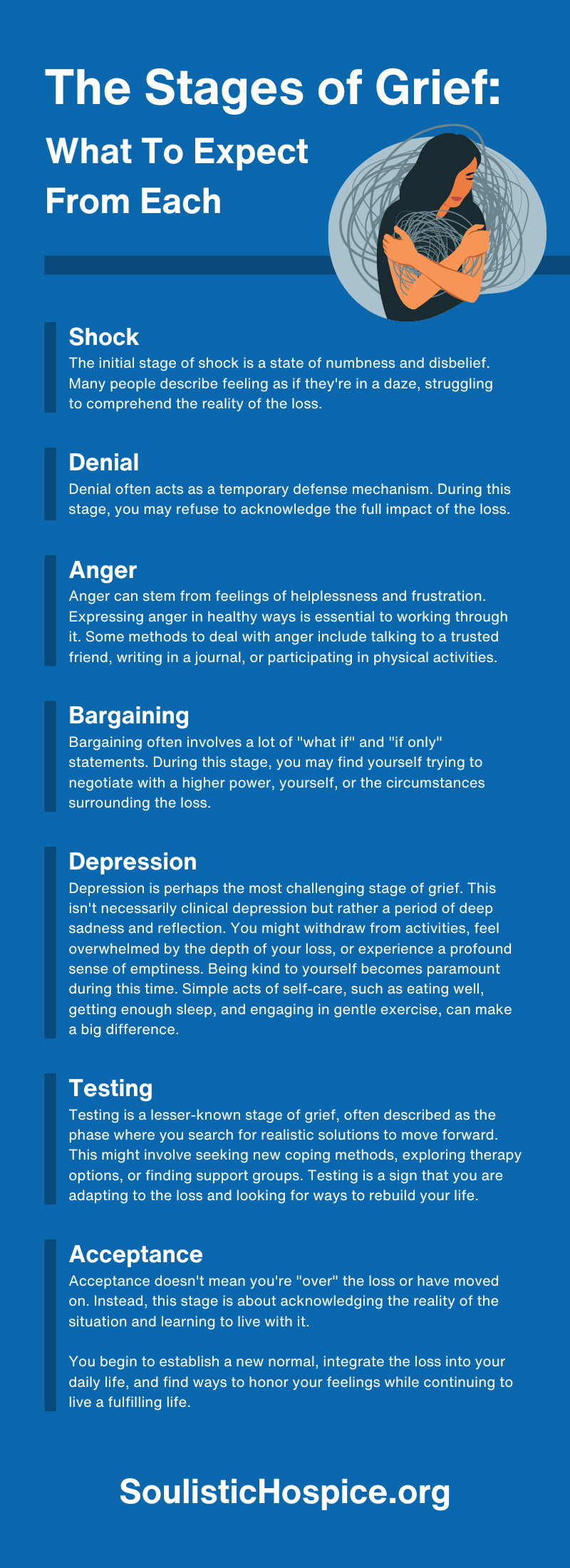
Also though our sensible mind understands they're not to criticize, our emotions are intense and can easily bypass sensible thinking. While we frequently assume that rage is a negative feeling and something to be prevented at all expenses, it really serves a purpose and is a needed component of recovery.
Negotiating is a stage of sorrow that aids us keep hope throughout extreme psychological discomfort. It's an attempt to aid us restore control of a scenario that has actually made us feel exceptionally vulnerable and defenseless. It's also an additional method to assist us hold off needing to deal straight with the unhappiness, complication, or hurt.
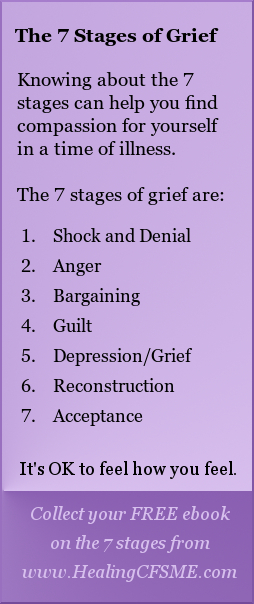
Anxiety is typically compared to the "silent" phase of pain, as it's not as energetic as the anger and bargaining phases. This can lead to intense sensations of despair, anguish, and despondence. Signs of clinical depression can materialize themselves in various methods. As an example, we might feel foggy, hefty, exhausted, overwhelmed or sidetracked.
Self-Compassion for Perfectionists
In severe situations, we might be unable or reluctant to wake up in the morning. Similar to the other stages of sorrow, depression is experienced in different methods. But it's not a sign that something is wrong with us. Instead, it's an all-natural and appropriate reaction to despair.
Instead, As an example, if we're grieving the death of a liked one, we could be able to express our appreciation for all the wonderful times we spent with them. Or if we're experiencing a separation, we could claim something like, "This truly was the most effective point for me." In this phase, we might become extra comfy getting to out to household and good friends, and we could also make new relationships as time goes on.
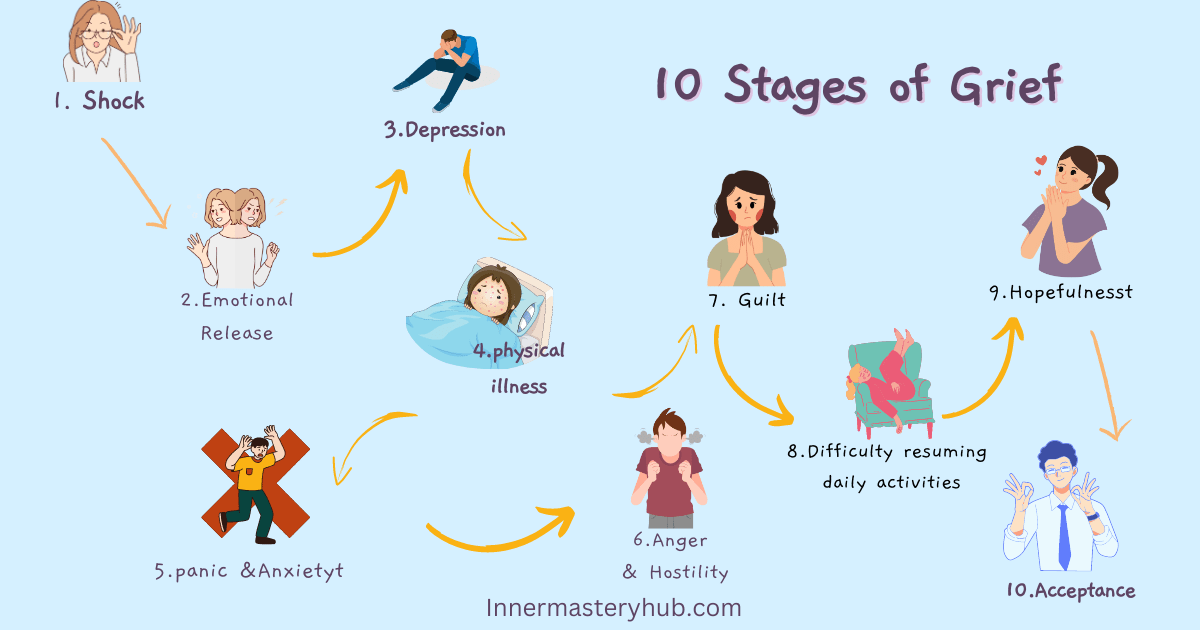
This does not mean we'll never ever have one more hard time. Yet due to the fact that our feelings are much more secure in this phase, we understand that we're mosting likely to be okay in the great days and the poor. Also though these five stages of sorrow can assist us comprehend the mourning process, Often people battle because they feel that their grieving process isn't "the standard," yet despair is a very complicated experience that differs from one person to another.

Latest Posts
How Trauma-Informed Care Works in Folsom, CA
Value of Holistic Trauma Treatment in Folsom, CA
Critical Periods with Ketamine