Featured
Table of Contents
If you're regreting, remember this: your despair mirrors the deepness of your connection. It's not something to "overcome" but instead to move through, carrying your love and memories ahead right into a life that, while for life altered, can still hold definition and delight.
Sorrow is a natural psychological action to loss. Regreting is a procedure that can assist you concern terms with a loss, such as when a liked one dies. Everybody experiences sorrow in a different way. Your experience of pain and how you cope with it will depend on various elements. These might include your age, previous experiences with sorrow and your spiritual or spiritual views.
Awaiting sorrow means sensation sad prior to the loss happens. Instead of regreting for the person, who is still with you, you might feel despair for the things you will not get to do together in the future. When facing a considerable loss, such as the fatality of a loved one, it is natural to feel many strong feelings.
People identified with an incurable disease and those encountering the fatality of a loved one may experience awaiting despair., you may experience lots of emotions consisting of shock, anxiety and unhappiness.
From Professional Anxiety to Balanced Achievement
You regret lost opportunities or experiences you'll miss out on even little ones, such as the pleasure of the sunshine or a hot mug of coffee. If a person you love is facing a terminal ailment, it is common to experience awaiting grief in the months, weeks and days prior to fatality. You might regret the exact same things your enjoyed one is mourning, or various losses altogether.
You might really feel that the person you understood is already gone, also if they are still literally there. If your loved one has a decrease in physical health and wellness or movement, you might feel awaiting sorrow as you lose the opportunity to share experiences, such as hobbies, vacations or events.
This is particularly real if you invest a lot of time looking after the individual. You may miss out on tasks you utilized to appreciate together and feel grief concerning the adjustment in your connection. The nature of your partnership may transform as you tackle a carer's role, or become the one being looked after.
Sensations of despair before death are regular it's important to recognise them, and to talk concerning them. Experiencing anticipatory sorrow does not necessarily suggest that you will certainly grieve your loved one any less after they are gone.
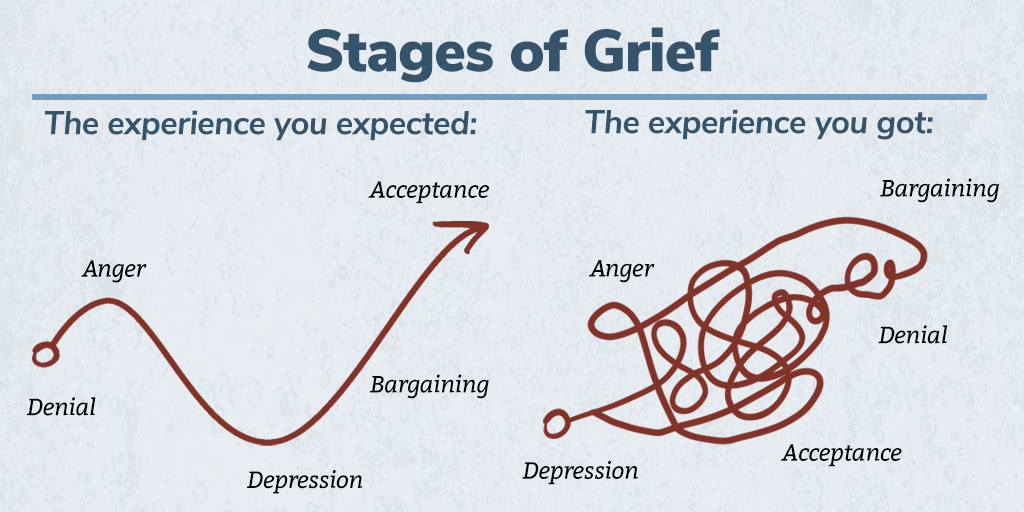
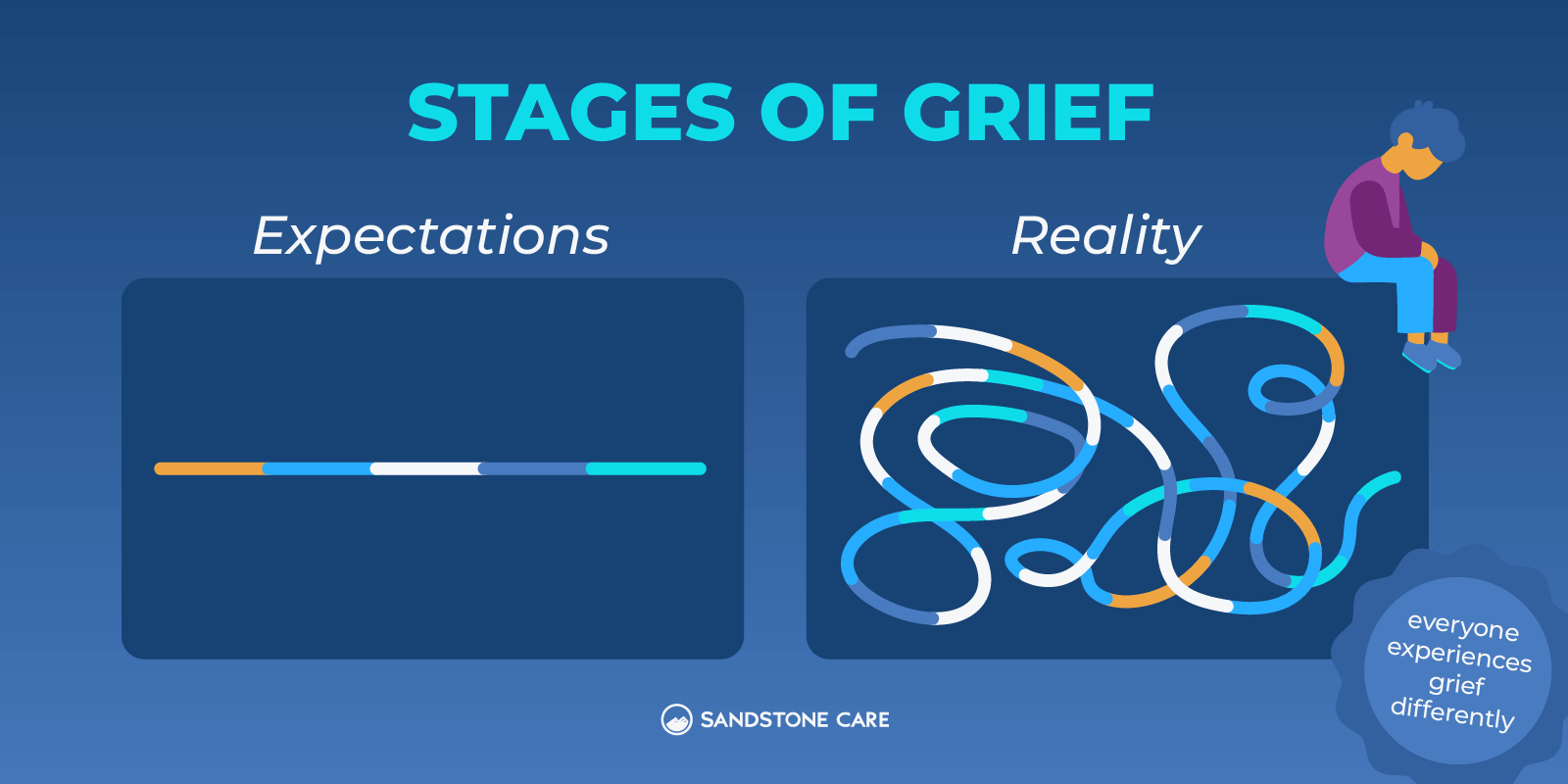
Visit the CareSearch site for links to palliative treatment and end-of-life information in a range of area languages. Call Carer Portal on 1800 422 737 for resources to sustain for Indigenous and/or Torres Strait Islander carers and communities. CareSearch gives info on understanding grief, end of life and palliative care needs of the LGBTIQA+ community. In fact, we do not experience feelings of pain one at a time or in a particular order. You might experience these points since they are all typical feelings of despair.
Some individuals feel numb after the fatality of a person they cared about. If you experience this, it can be because it's simply as well hard to believe that the individual you recognize so well is not coming back.
EMDR Treatment for Physicians in San Francisco
Perhaps they guarantee themselves that they will currently constantly do (or not do) something, thinking that it can make the person who has died come back. Individuals may also discover that they maintain going back over the past and ask great deals of 'what if' concerns, wanting that they might go back and transform things so that they might have turned out in a different way.
These feelings can be extremely extreme and excruciating, and they may come and go over several months or years. But the majority of people find that uncomfortable sensations similar to this ended up being less solid in time. If you do not feel this is the situation for you, after that you should request assistance.
Her version ended up being extensively accepted as a means to understand grief, yet in time, despair counsellors and researchers increased upon it, causing the advancement of the. This extended model incorporates added psychological actions that individuals might experience: The initial response to loss frequently brings shock and disbelief. This stage works as a protective mechanism, enabling us to soak up the reality of our loss in workable doses.
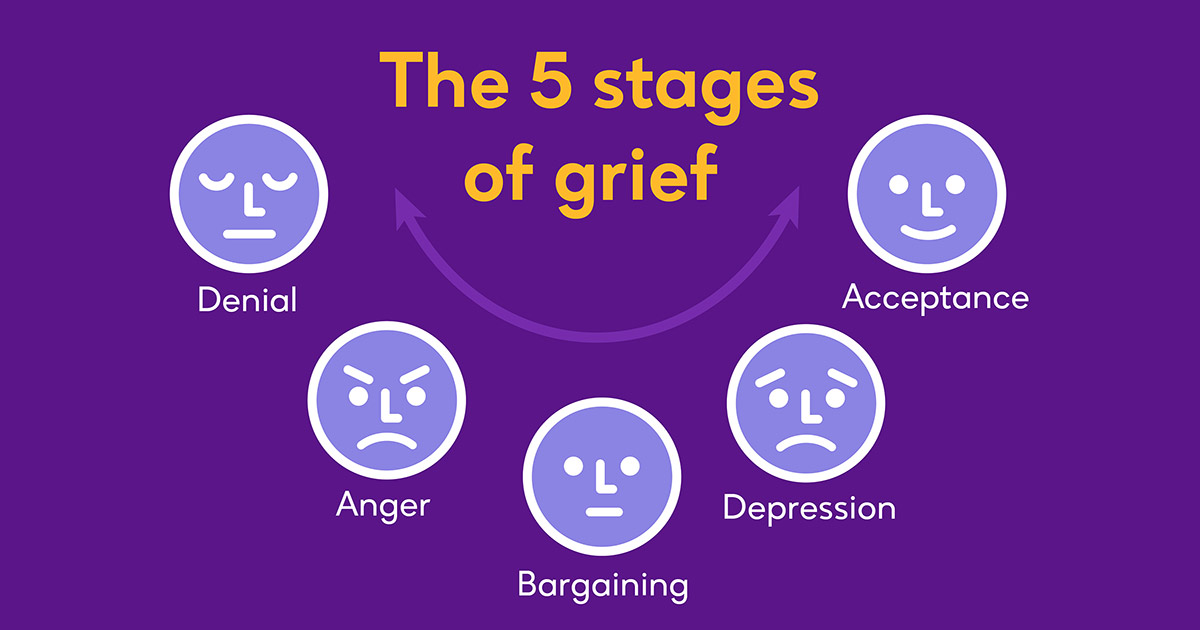
Sensations of remorse or guilt might arisewondering if you might have done something differently, or feeling grief over points left unexpressed. Grief can materialize as angertoward on your own, others, or even the individual that has actually passed.

Latest Posts
Interpreting Youth Assessment Findings
Coping Patterns Across the Years
Career Support and Rights